Feed Crystalfontz [copy] https://www.crystalfontz.com/blog/feed/ has loading error: cURL error 22: The requested URL returned error: 403
Feed linux for devices [copy] http://www.linuxfordevices.com/rss-feeds-1.xml has loading error: cURL error 22: The requested URL returned error: 404
Feed marsohod.org [copy] https://marsohod.org/component/ninjarsssyndicator/?feed_id=1&format=raw has loading error: cURL error 22: The requested URL returned error: 500
Feed scanlime.org [copy] http://scanlime.org/feed/ has loading error: A feed could not be found at `http://scanlime.org/feed/`; the status code is `200` and content-type is `text/html`
Feed SparkFun Electronics [copy] http://www.sparkfun.com/feeds/news has loading error: cURL error 22: The requested URL returned error: 405
Feed Technoblogy [copy] http://www.technoblogy.com/rss?KVM+3 has loading error: cURL error 22: The requested URL returned error: 503 Service Unavailable
Before NTP there were Time and Daytime

In building an NTP time demo on old Macs for VCF Midwest, I came across RFC 867 and RFC 868, for the 'Daytime' and 'Time' Protocols, respectively.
My first exposure to any form of network time was when I upgraded from a used PowerBook 180c to my first 'new' computer, a Power Mac G3, in 2000. With the introduction of Mac OS 8.5, Apple added a 'Network Time Server' option in the Date & Time Control Panel.
Cores in space: The core memory module from a 1980 Spacelab computer
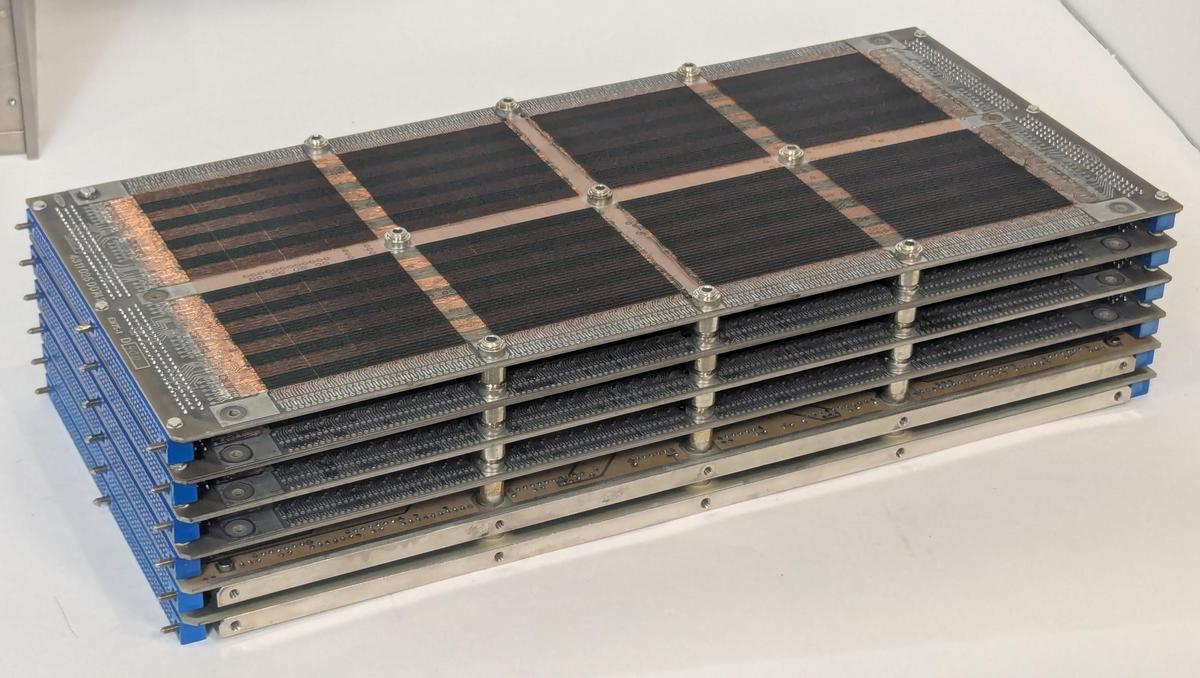
Spacelab was a reusable laboratory that could be carried in the Space Shuttle's cargo bay, providing lab space for astronauts and experiments.1 Because Spacelab was a European project, it used a French-built minicomputer, the Mitra 125 MS,2 rather than the Shuttle's main computers, IBM-built AP-101 systems. For storage, the Spacelab computer contained 128 kilobytes of RAM. Rather than silicon memory, the computer used magnetic core memory, with each bit stored in a tiny ferrite ring. In this article, I take a close look at this computer's core memory system.
The core stack from the Spacelab computer. I removed the top board to show the core planes.The illustration...
Name that Ware, August 2026
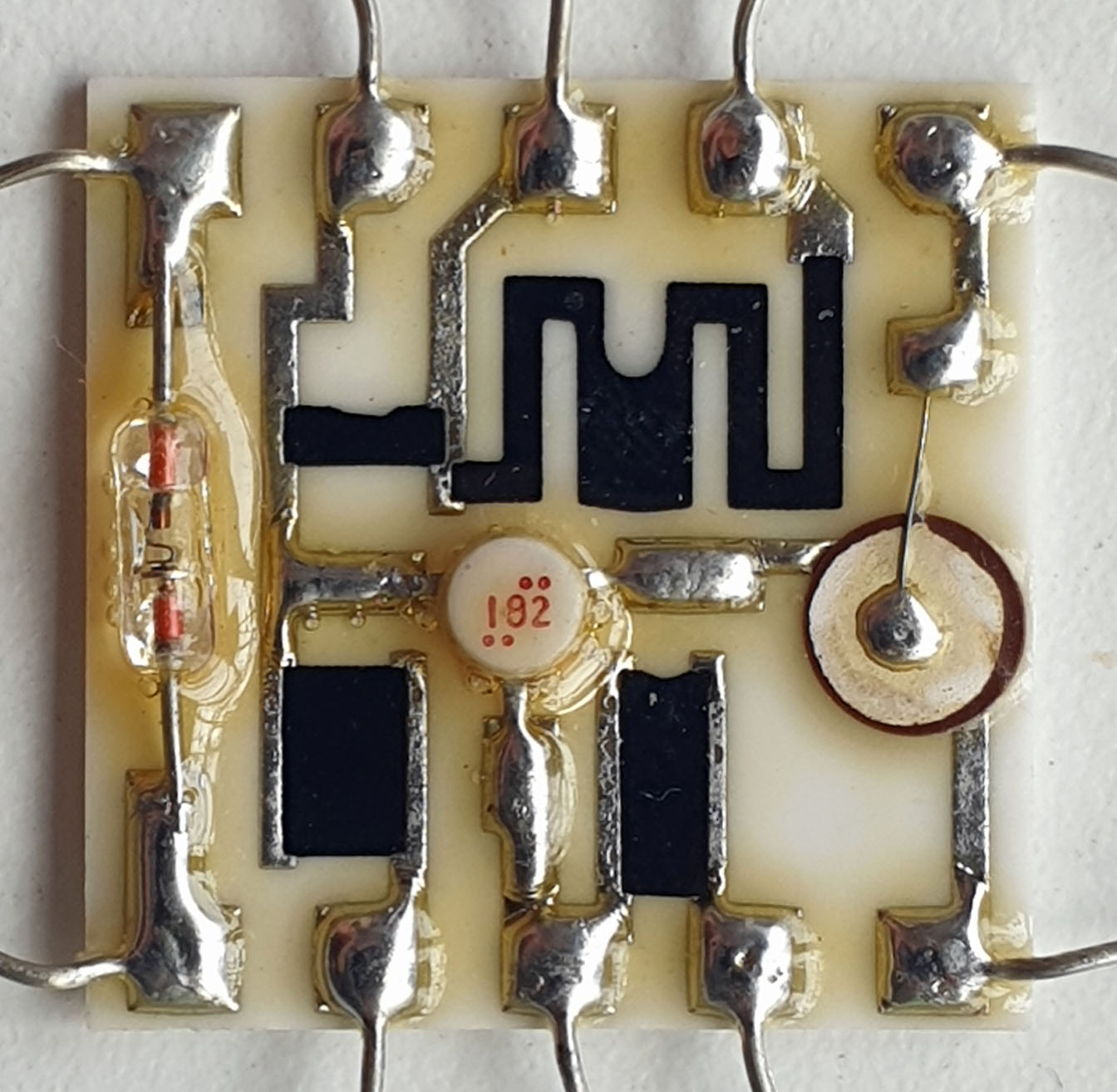
The Ware for August 2026 is shown below.
Technically, this is an integrated circuit – just from a very different era than last month’s ware!
AI Image Generation on an RP2350 Microcontroller
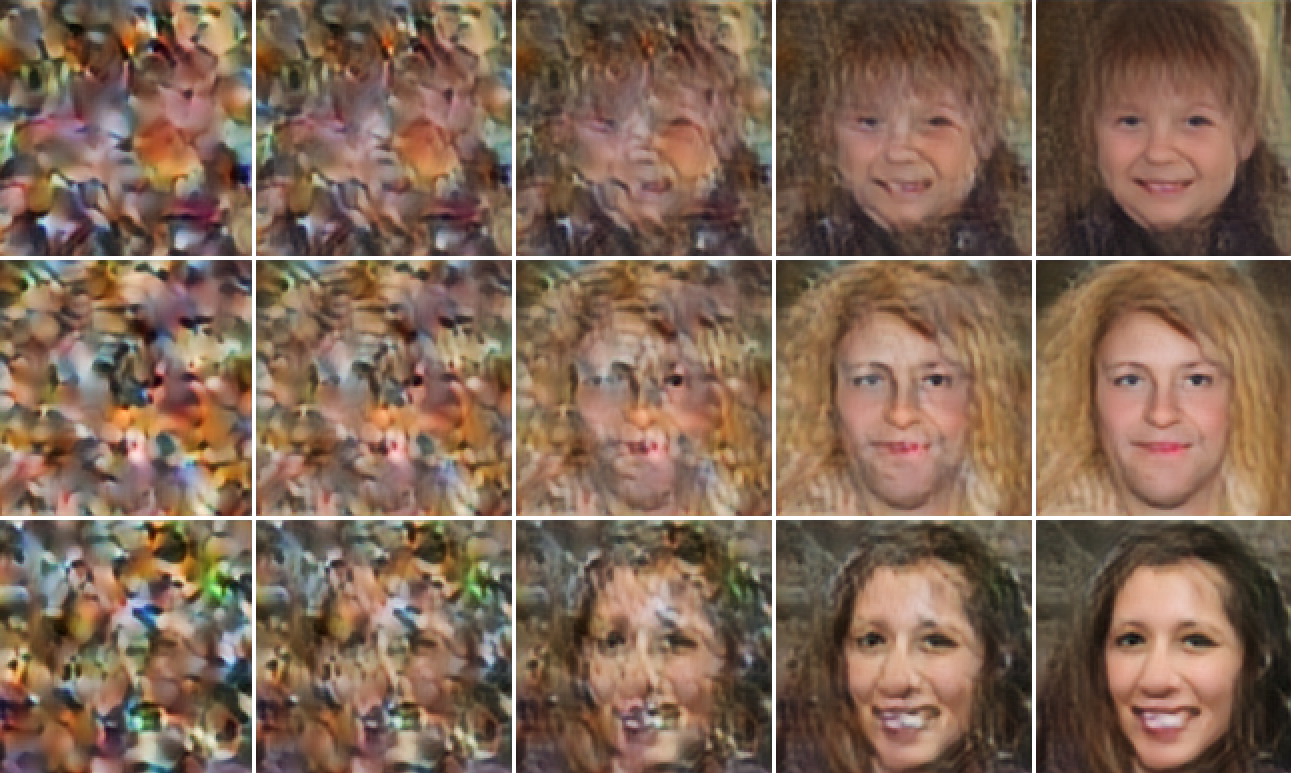
I finally got around completing a long pending project idea: A diffusion image generation model implemented on a microcontroller. See blog article and repo.
Building a mini Homelab that fits in my carry-on

I'm traveling to Chicago for VCF Midwest next month. I'll be demoing NTP time history on vintage Macs, with my own GPS-derived NTP service hosted on an Xserve G5, synced via NTP or a strange AppleTalk timing extension from the 1990s.
So I built a little 'portable homelab' (pictured above) that supports 1-10 Gbps networking, can run off a small battery for at least an hour, switches between multiple WANs (so I can get my own 5G Internet connection, in case I need it), and gives me 12 wired Ethernet connections.
Кустарные вакуумные триоды Клода Пайяра. Часть 7. Обобщение, вакуумная обработка, мелочи

Вот и подошла к концу история о самодельных вакуумных триодах французского коллеги-энтузиаста, теперь уже почти что старого друга, Клода Пайяра, где мы познакомились, взглянули на исторические аналоги-прототипы его триодов, выяснили, как и чем Клод режет стеклянные заготовки и какими огнями работает [1]; изучили его технологическую мини-печь и аппарат для контактной сварки [2]; полюбовались большой ламповой установкой ТВЧ [3]; восхитились самодельными, как и всё остальное оборудование, вакуумными (и высоковакуумным!) насосами [4]; разобрались с тонкостями конструкции самодельной лампы [5]; и оценили специальные станки и приспособления для стеклодувной работы [6]. Осталось описать процесс изготовления лампы в целом, заострив внимание на оставшихся в тени важных мелочах, в основном в части обработки собранной лампы — откачка, измерения, оригинальный геттер,...
Охранные сигнализации советской эпохи

Приветствую всех!
Сегодня мы снова будем говорить о некоторых артефактах, которые можно найти на стенах старых домов. Многие из вас видели такие блоки и наверняка догадывались, что это часть охранной сигнализации. К чему же они подключались, и как работали эти устройства? Сейчас и узнаем...
Итак, сегодня посмотрим на начинку двух блоков охранной сигнализации разных годов. Посмотрим, с какими датчиками и оповещателями они эксплуатировались, узнаем, как выглядела постановка на охрану в те годы. Как водится, будет много интересного.
Press F1 to continueRepair: x270 laptop crashing when picked up or bumped
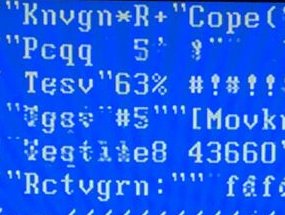
Neanderthal diagnosis techniques lead to a simple and complete repair.
Debugging Ubiquiti's 5G Backup on AT&T

For a mobile 'mini homelab' project I'm working on, I wanted to use 5G Internet as a primary 'on-to-go' connection, but still have the ability to plug in another Internet connection when I put the mobile rack I'm building in a fixed location.
I'll have more on that project soon, but I figured this project was a good way to check out Ubiquiti's solutions, especially considering many of their smaller gear fits nicely within the dimensions of a mini rack (the 3U DeskPi RackMate TT is pictured above).
OpenTitan project kicks off the Peppermint integrated root-of-trust for area-constrained SoCs
...