Feed Crystalfontz [copy] https://www.crystalfontz.com/blog/feed/ has loading error: cURL error 22: The requested URL returned error: 403
Feed linux for devices [copy] http://www.linuxfordevices.com/rss-feeds-1.xml has loading error: cURL error 22: The requested URL returned error: 404
Feed marsohod.org [copy] https://marsohod.org/component/ninjarsssyndicator/?feed_id=1&format=raw has loading error: cURL error 22: The requested URL returned error: 500
Feed scanlime.org [copy] http://scanlime.org/feed/ has loading error: cURL error 22: The requested URL returned error: 404
Feed SparkFun Electronics [copy] http://www.sparkfun.com/feeds/news has loading error: cURL error 22: The requested URL returned error: 405
Feed Technoblogy [copy] http://www.technoblogy.com/rss?KVM+3 has loading error: cURL error 22: The requested URL returned error: 503 Service Unavailable
Linux 7.3 release – Main Changes, Arm, RISC-V, and MIPS architectures

Linus Torvalds announced the release of Linux 7.3 on LKML last Sunday: It’s Sunday afternoon, and this week I somehow kept my wits together long enough to keep track of the day of the week, so the release isn’t randomly delayed. Will wonders never cease? Anyway, nothing very special seems to have happened this last week, so as expected the final 7.3 is out, and thus tomorrow the merge window for 7.4 opens. Except I’m on my annual family vacation, so instead of merging anything first thing in the morning, I’ll spend most of the day on a boat and under...
One-stop Tool Shows Apple Intelligence The Door
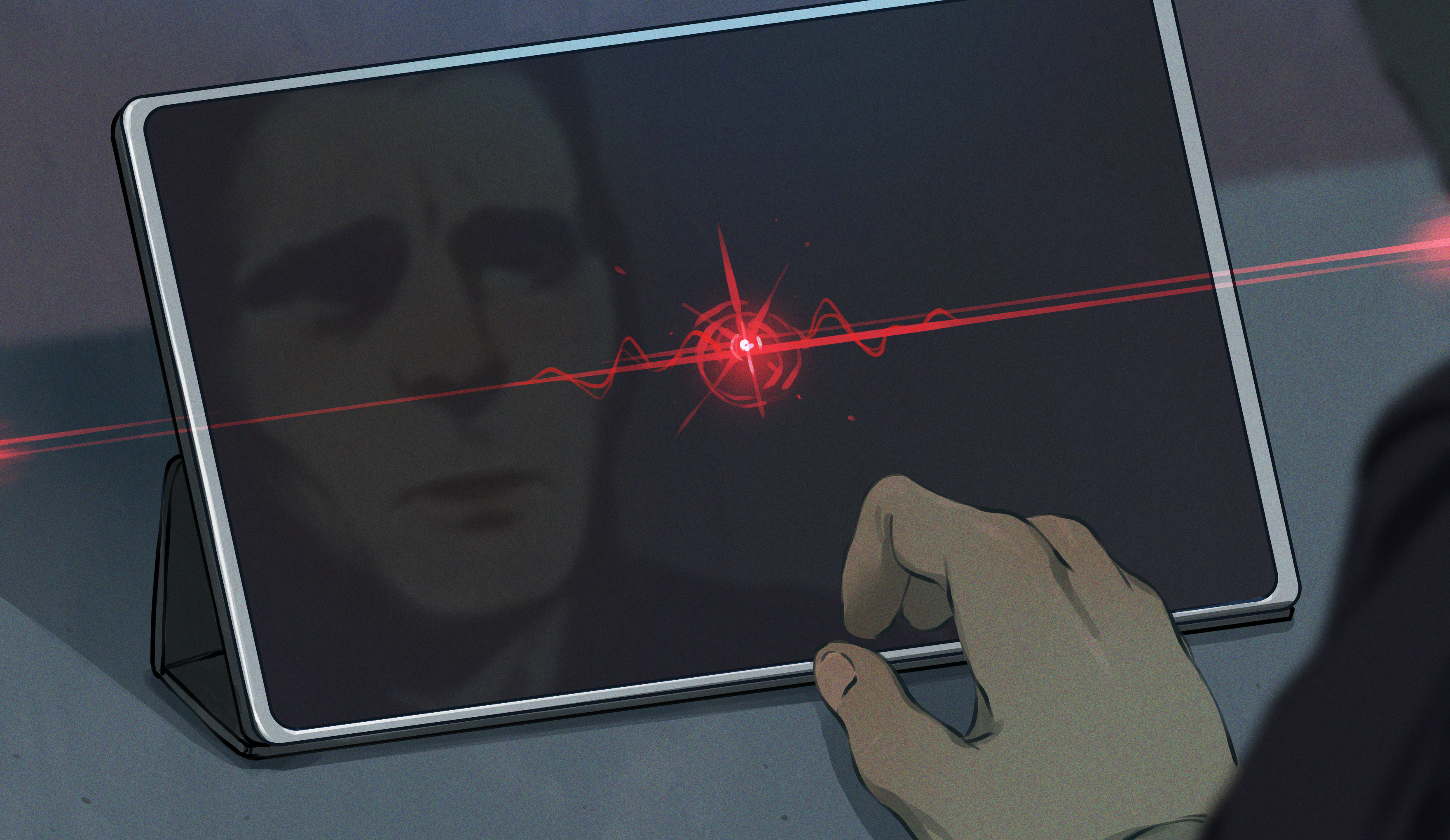
Don’t want AI features on your Mac? Tough luck, unless one wants to imperfectly do it by hunting down settings in about a dozen different places. Even then, the multi-gigabyte models stay on disk. Unsatisfied by this state of affairs, [omlahore] created RemoveMacAI, a one-stop-shop debloater that shows Apple Intelligence the door, reclaiming its disk space on the way out.
With RemoveMacAI one has a single location from which to turn individual AI features off, delete the models behind them, and block MacOS from downloading them again by redirecting attempts to a closed local port.
What’s refreshingly nice about the tool is...
Charlotte’s New Runway Gets A Digital Twin
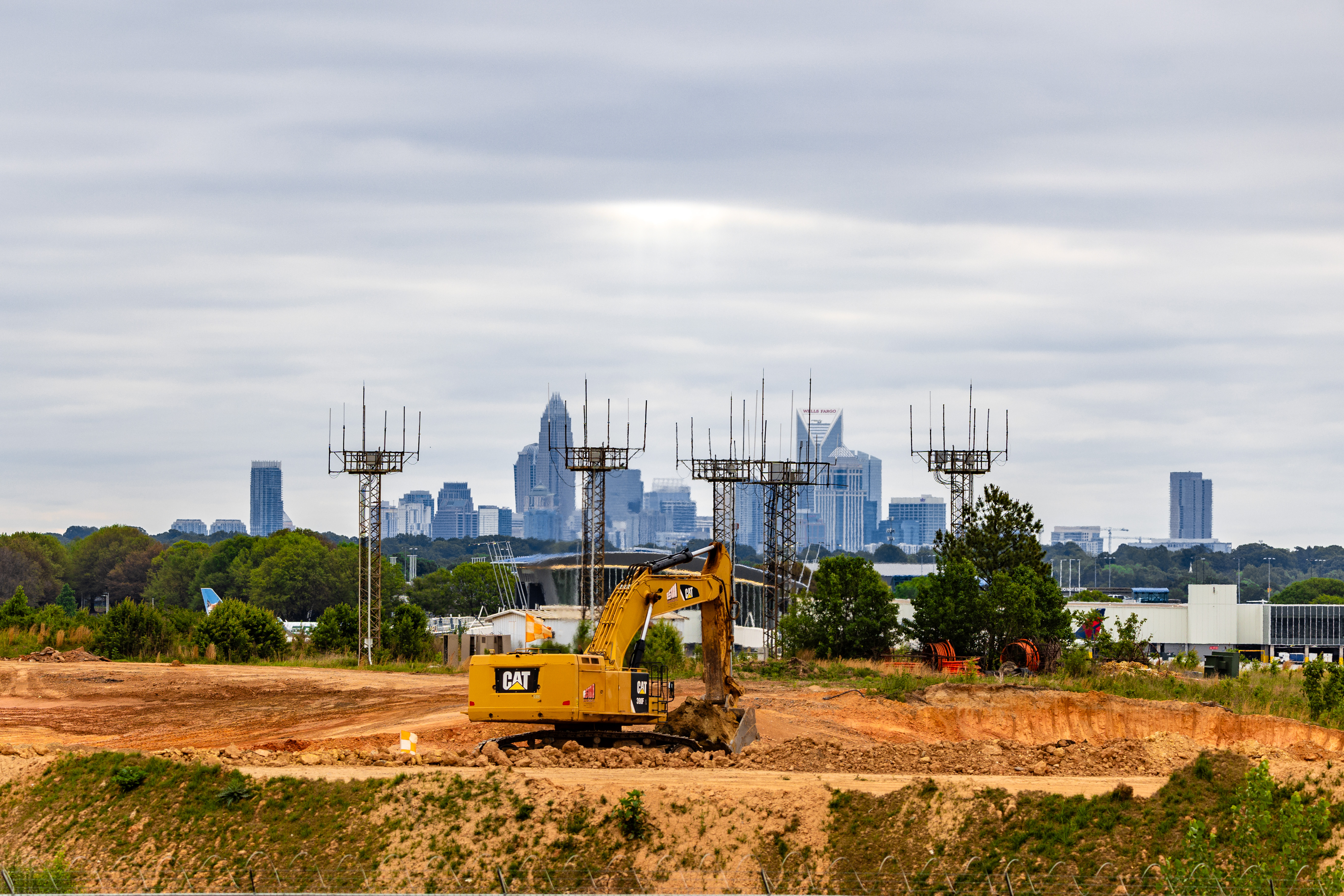
The first viable powered aircraft predated the first proper runway by two decades. While it’s entirely possible to launch some planes from austere dirt or grass strips, the aviation world eventually realized that aircraft would be better off launching from a flat, paved surface.
Over the years, paving technology has gradually improved in the aviation world as it has for roads and highways. Now, there’s a project being built in Charlotte with new digital features that hopes to push the state of the art of runways even further.
TwinsiesCharlotte Douglas International Airport (CLT) serves the city of Charlotte, North Carolina. It’s by...
An LCR Meter with Compromises
https://invidious.privacyredirect.com/watch?v=4mtBGXuJ8nI
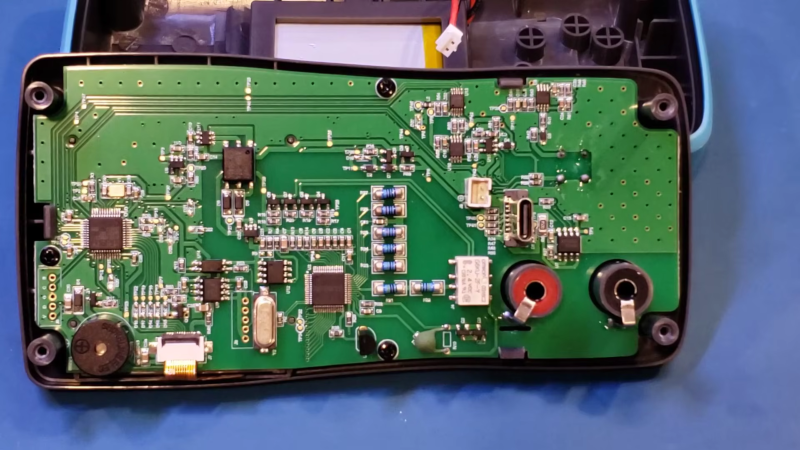
YouTube, like the Internet, has its plusses and minuses. On the plus side, you can find information on just about anything. On the minus side, you don’t always know if that information is of any value. On the plus side, you can connect to experts who have an uncanny knack for explaining things. On the negative side, you can find people who — let’s just say aren’t. Lucky for us, [Kerry Wong] is very knowledgeable about test instruments, so when we see a review from him, like the one for the ZOYI ZT-XC1 LCR meter and multimeter, we know we...
BIOSTAR BIWCL-PAT – A 3.5-inch industrial Wildcat Lake SBC with dual 2.5GbE, triple display support

BIOSTAR BIWCL-PAT is a 3.5-inch industrial SBC built around the Intel Core Series 3 “Wildcat Lake” SoC family, ranging from the Core 3 304 to the Core 7 360. The board supports up to 64GB DDR5-6400 memory, three independent displays, and dual 2.5GbE networking. It also features three M.2 slots for NVMe storage, Wi-Fi/Bluetooth, and 4G/5G cellular connectivity, along with USB 3.2 ports, four serial interfaces, and an 8-bit digital I/O header. The compact 148 x 102mm form factor makes it suitable for industrial automation, edge computing, AIoT, human-machine interfaces (HMI), and POS/kiosk applications. BIOSTAR BIWCL-PAT specifications: Wildcat Lake SoC...
Driving On the Moon at a Blistering 11.6 MPH
https://invidious.privacyredirect.com/watch?v=qmQ_lQOBdq4
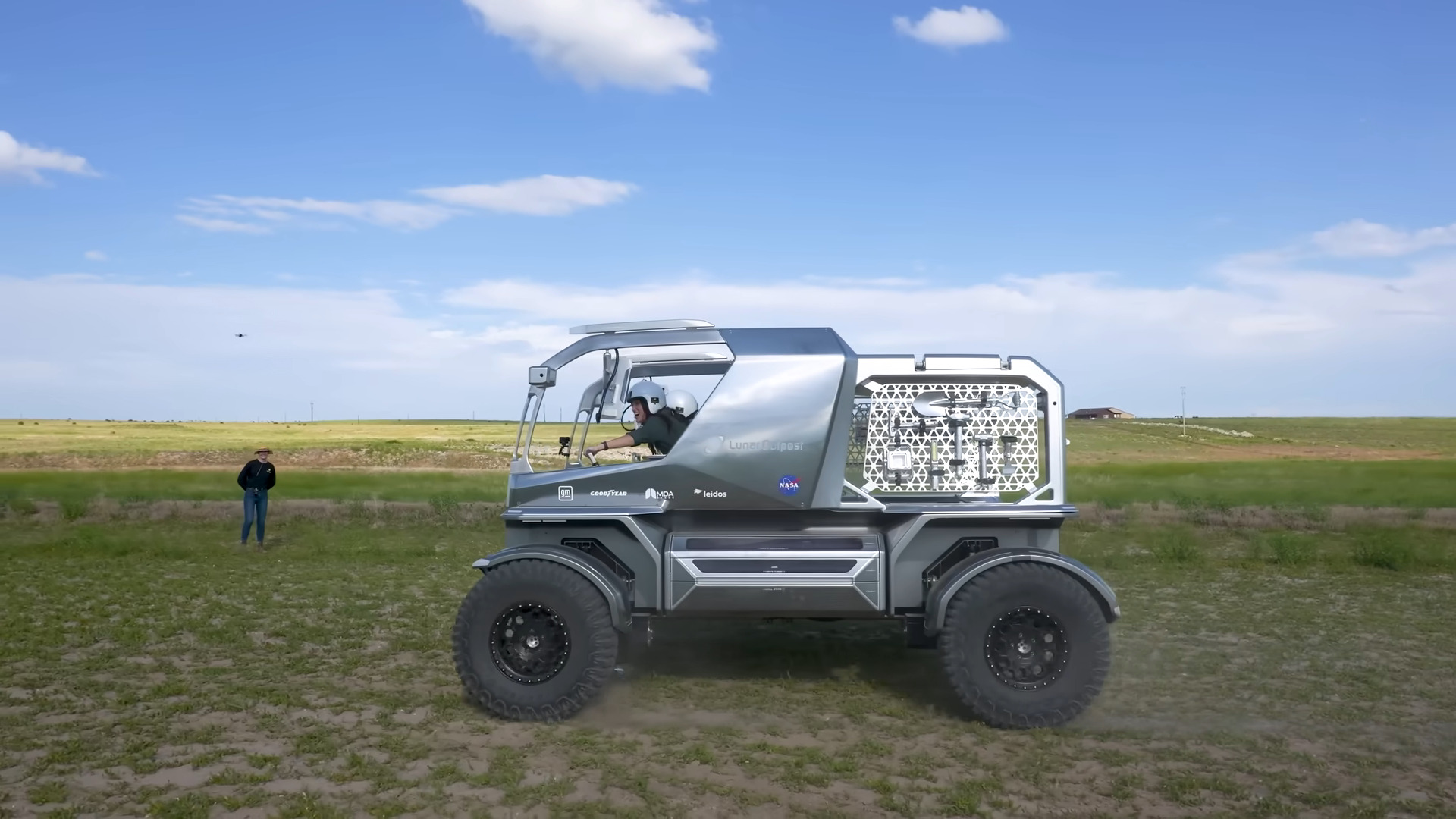
As NASA continues humanity’s slow march back to the Moon, different pieces of the puzzle of establishing a more permanent base there are falling into place. One of these pieces is the the Lunar Terrain Vehicle (LTR), and [Cleo Abram] and [Michelle Khare] got a look at the LTR candidate from Lunar Outpost.
Designed to help astronauts traverse the lunar surface as well as function as a semi-autonomous rover when uncrewed, the LTR will be an integral part to any future Moon base. NASA announced earlier this year that it would be moving forward with the LTR featured in this video...
Two New Open Source Hardware Level Shifters: BB-LVL-SHIFT and UEXT-LVL-SHIFT

Mixing voltage levels is one of the most common headaches in embedded work. Your microcontroller runs at 3.3V, the sensor you want to use is 5V, the display module next to it is 1.8V, and the old Arduino shield in your drawer still expects 5V logic. Connect them directly and in the best case nothing […]
 olimex
Thunderbolt Strikes Windows98
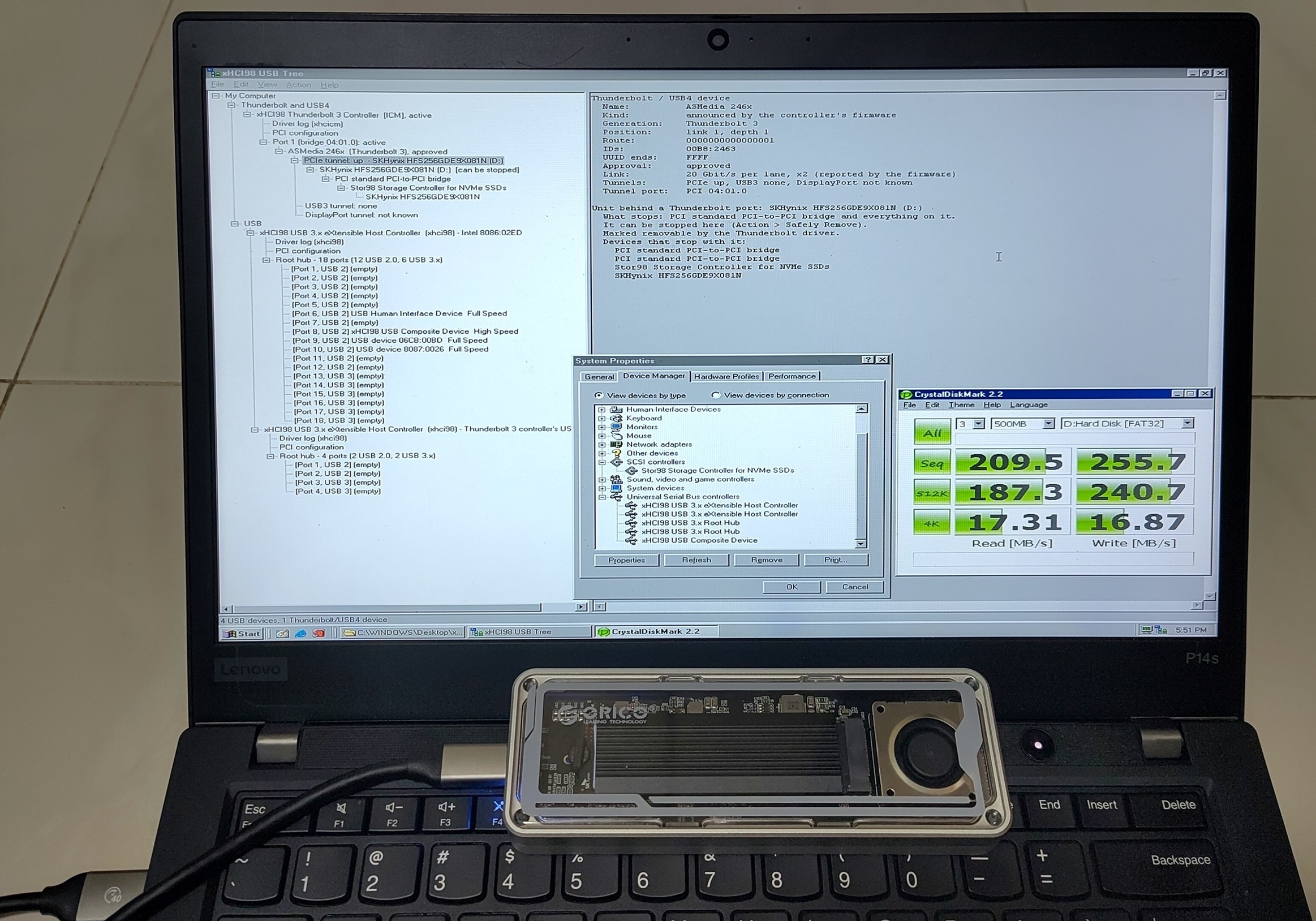
If there’s one thing everyone hated about Windows 98, was the lack of USB4.0 support. We remember vividly the cries of anguish at the launch party when we found out that 21 years in the future, the operating system wouldn’t support the then-undreamt of speeds of the thunderbolt-based fastest USB protocol. After two decades of living with this crushing disappointment, [Yeo Kheng Meng] has delivered the goods: the most modern of USB interfaces on some very much not modern versions of windows.
This builds on [Yeo Kheng Meng]’s work on xHCI drivers for USB2.0 support, which we covered at the time....
Hackaday Links: October 17, 2026

While Hackaday doesn’t maintain a crime blotter, we couldn’t help but start this week’s post off with a bit of civil disobedience — a retired professor from the University of Pennsylvania was arrested earlier this week for standing in front of a delivery robot.
Granted, she was standing there for long enough that the police were eventually called, but still. Previous reporting indicates that Carolyn Marvin has a history of blocking delivery robots as a form of protest, but this is the first time law enforcement got involved. We’re not lawyers here at Hackaday, so we can’t say for sure whether...
Axera AX8860P 16-core Cortex-A55 SoC takes on NVIDIA DGX Spark at fraction of the cost

Axera AX8860P is a new 16-core Cortex-A55 SoC with up to 128 TOPS/256 TOPS (FP4) NPU, 256-bit LPDDR5/5X memory, and PCIe 5.0 connectivity, aiming to power desktop AI solutions competing with NVIDIA DGX Spark at a fraction of the cost. Dr. Qiu Xiaoxin, founder and CEO of Axera, unveiled the new AX8860/AX8860P processor a few days ago at the China International Industrial Fair, along with upcoming products from Sipeed and Radxa. Axera AX8860P key features and specifications: CPU – 16x Arm Cortex-A55 processor AI – Up to 256 TOPS VPU – 64-channel decode, 16-channel encode Memory – Up to 128GB...