Feed Crystalfontz [copy] https://www.crystalfontz.com/blog/feed/ has loading error: A feed could not be found at `https://www.crystalfontz.com/blog/feed/`; the status code is `200` and content-type is `text/html; charset=UTF-8`
Feed linux for devices [copy] http://www.linuxfordevices.com/rss-feeds-1.xml has loading error: cURL error 22: The requested URL returned error: 404
Feed marsohod.org [copy] https://marsohod.org/component/ninjarsssyndicator/?feed_id=1&format=raw has loading error: cURL error 22: The requested URL returned error: 500
Feed Music Hackspace [copy] http://musichackspace.org/feed/rss/ has loading error: cURL error 22: The requested URL returned error: 404
Feed SparkFun Electronics [copy] http://www.sparkfun.com/feeds/news has loading error: cURL error 22: The requested URL returned error: 405
TIG сварка в домашней мастерской, знакомство. Часть 3. Подключение, электроды

Продолжим погружаться в восхитительный мир тонкой и качественной сварки любых металлов средствами TIG процесса — работа неплавящимся вольфрамовым электродом в среде аргона, оборудование для которого может быть сравнительно простым, доступным и ремонтопригодным, вплоть до самодельных установок. Исходные условия: любительская домашняя мастерская, невеликий бюджет, нуль опыта. В части №1 мы уже познакомились со средствами защиты и газобаллонной частью дела; в части №2 коснулись сварочных аппаратов и горелок. Читать дальше →
Meet HackRF Pro
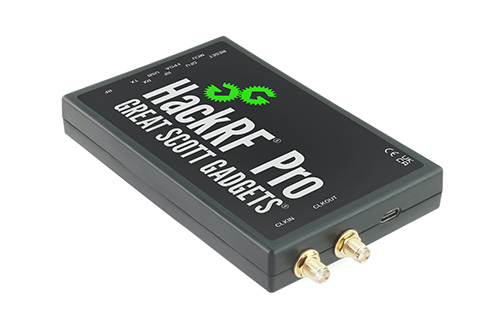
We’re thrilled to announce HackRF Pro, the newest addition to the Great Scott Gadgets family of Software Defined Radio (SDR) platforms!
Building on the legacy of HackRF One, HackRF Pro is an SDR peripheral that enables transmission or reception of radio signals from 100 kHz to 6 GHz. Like its predecessor, HackRF Pro is open source hardware and designed for versatility, whether you’re developing wireless tech, researching the security of wireless devices, tinkering as a hobbyist, learning or teaching about the RF spectrum, or building advanced custom firmware.
What Makes HackRF Pro Different?HackRF Pro takes everything users love about HackRF One and...
Turbine Transport Transformer

[Concept] Transforming turbine transport
Самодельный SDR приемник на Zynq

В этой статье я расскажу о том, как я делал предельно дешевый КВ Web-SDR приемник на SoC Zynq.
Основа приемника — Б/У плата Antminer S9. Фактически этот проект является форком уже существующего приемника WEB-888, который, в свою очередь, является продолжением приемника KiwiSDR.
Читать далееInside the Apollo "8-Ball" FDAI (Flight Director / Attitude Indicator)
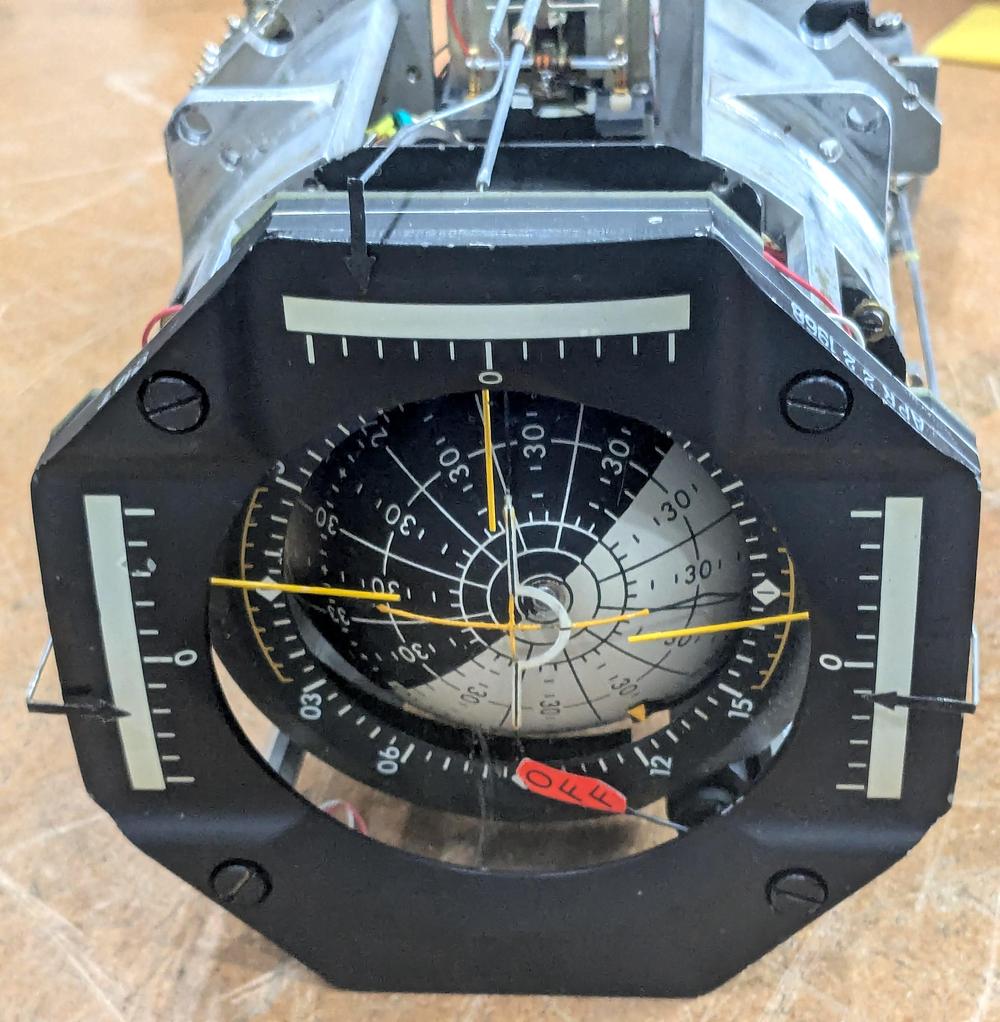
During the Apollo flights to the Moon, the astronauts observed the spacecraft's orientation on a special instrument called the FDAI (Flight Director / Attitude Indicator). This instrument showed the spacecraft's attitude—its orientation—by rotating a ball. This ball was nicknamed the "8-ball" because it was black (albeit only on one side). The instrument also acted as a flight director, using three yellow needles to indicate how the astronauts should maneuver the spacecraft. Three more pointers showed how fast the spacecraft was rotating.
An Apollo FDAI (Flight Director/Attitude Indicator) with the case removed. This FDAI is on its side to avoid crushing the needles.Since the spacecraft rotates along...
Электрохимическая размерная обработка металлов в домашней мастерской

Физические и химические процессы, происходящие при прохождении постоянного тока через электропроводящую жидкость (электролит) можно использовать в том числе и для более или менее точной формообразующей или отделочной обработки металлических заготовок, в том числе и из хрупких, твёрдых металлов, механическая обработка которых затруднена. Электрохимическая размерная обработка (ЭХРО) действует весьма деликатно, не оставляя в деталях остаточных напряжений, не деформируя тонкие заготовки. В отличие от травления химического, ЭХРО оперирует куда как менее агрессивными и дорогими химикатами, что упрощает и удешевляет процесс, снижает требования к материалам и мерам безопасности. ЭРХО широко применяется в лабораторной практике, не повредит и в любительском электровакуумном деле. Читать...
TIG сварка в домашней мастерской, начало. Обзор, подборка мелочей. Часть 2

Продолжим обзорно знакомиться с аргоно-дуговой (TIG) сваркой, в свете её освоения в домашней мастерской. В части №1 мы обратили внимание на средства защиты и вентиляцию рабочего места, рассмотрели баллонно-редукторную часть оборудования и её несложное совершенствование [1]. Читать дальше →
Baseliner: A Deep Dive into Wireless Sensor Networks for Conservation
Join us for this hands-on workshop at ICCB 2025. We'll deep dive into deploying and maintaining in situ wireless sensor networks for environmental monitoring and verification of conservation and restoration projects at scale.
The post Baseliner: A Deep Dive into Wireless Sensor Networks for Conservation first appeared on Freaklabs.
The post Baseliner: A Deep Dive into Wireless Sensor Networks for Conservation appeared first on Freaklabs.
Precision Clock Mk IV

[Hardware] GPS synchronised, millisecond precision, automatic timezones and more!
TIG сварка в домашней мастерской, начало. Обзор, подборка мелочей. Часть 1

TIG сварка, она же «аргоновая», кроме общеизвестных достоинств, ещё и сравнительно сложно устроена, оперирует целым рядом факторов — область технического бытия насколько полезная, настолько же и разнообразно-увлекательная. Первые же опыты породили длинный ряд мелких вопросов, ради ответов на которые пришлось здорово порыться. Внимаю почтенной публики — эти, несколько систематизированные полезные практические мелочи. Добавим сюда и ценные замечания-указания от благосклонных читателей [1], да простят они меня — без указания авторства. Сварочное дело рассматриваем в его домашнем, любительском преломлении. Читать дальше →